Recycling and Sustainability at Jet Washing Services
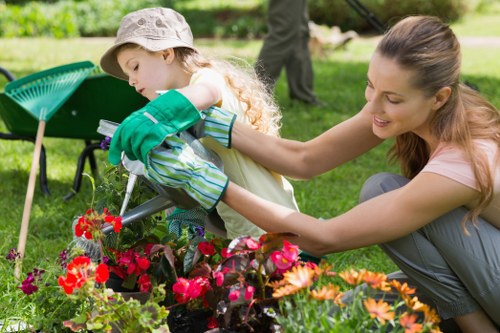 Jet Washing Services is committed to operating with an environmentally responsible approach that blends commercial cleaning excellence with practical waste minimisation. Our eco-jet washing and pressure washing operations are designed to reduce the environmental footprint of every contract: from how we collect and separate waste on-site to how we transport, reuse and recycle materials off-site. We champion an eco-friendly waste disposal area within every project, ensuring that runoff, debris and removed materials are handled according to local recycling protocols and industry best practice.
We set a clear recycling percentage target across our operations: a company-wide goal of 75% recyclable diversion by 2028. This target covers materials recovered from power washing and jet wash services, including packaging, metal fixtures, timber, glass fragments, and green waste produced during site clearance and garden-related rubbish removal. Our staff use standardised segregation packs so teams can separate items at source, aligning with boroughs’ three-stream approaches where dry recycling, food/green waste and residual collections are kept distinct.
![A person wearing a yellow top and teal gardening apron is kneeling on a garden bed, using hand tools to tend to flowering plants with bright red blooms. The garden features a well-maintained lawn with dense, green grass in the foreground, bordered by flower beds containing a variety of plants including leafy shrubs and small flowering bushes. In the background, there are mature trees and a brick building, suggesting a residential outdoor space in the UK. The setting appears to be on a clear, sunny day, with natural light illuminating the garden's natural tones and textures. The person's focus on planting or pruning indicates routine garden maintenance, aligning with professional gardening services offered by companies such as Jet Washing Services. This outdoor scene exemplifies a tidy, landscaped garden area suitable for ongoing lawn care, pruning, and planting tasks that enhance the aesthetic and environmental health of residential gardens in the local area near [POSTCODE] or [TOWN].](/pub/_photos/gardening/f1399832576.jpg) To make our waste handling tangible and traceable we use specified local transfer stations and authorised hubs. We deliver sorted loads to nearby facilities such as the Northside Transfer Station, East Borough Transfer Hub and Greenford Transfer Station — all of which accept construction-type residues, green waste and mixed recyclables under municipal arrangements. We also follow local borough guidance on waste separation, for example supporting schemes that ask residents and businesses to separate glass, paper/card, plastics and organic garden waste into separate containers or sacks for onward processing.
To make our waste handling tangible and traceable we use specified local transfer stations and authorised hubs. We deliver sorted loads to nearby facilities such as the Northside Transfer Station, East Borough Transfer Hub and Greenford Transfer Station — all of which accept construction-type residues, green waste and mixed recyclables under municipal arrangements. We also follow local borough guidance on waste separation, for example supporting schemes that ask residents and businesses to separate glass, paper/card, plastics and organic garden waste into separate containers or sacks for onward processing.
Eco-Friendly Waste Disposal Area Practices
Creating an effective eco-friendly waste disposal area on-site is a priority for our jet wash crews and cleaning teams. We install temporary containment and designated sorting stations during every job so that contaminated water, greasy residues and loose materials are isolated from drains and the wider environment. Our power washing teams follow a strict checklist that includes dry-weighing bulky waste, recording volumes of recyclable materials, and designating separate bins for:
- Metals and fixings (recovered bolts, grilles, frames)
- Wood and timber suitable for chipping and composting
- Green/garden waste destined for municipal composting or local community gardens
![A person wearing bright blue gardening gloves and black waterproof boots is using a small pruning shear to trim a dense, variegated shrub with green and yellow leaves. The shrub is situated in a landscaped garden bed with dark, moist soil and a layer of mulch made from bark chips. The garden features a mix of well-maintained elements, including a neatly edged lawn visible in the background, along with other low-growing plants and a paved pathway. The scene is set outdoors under natural daylight, suggesting a mild weather condition suitable for gardening activities, with the focus on plant care and pruning tasks that are part of local landscaping and garden maintenance services offered by companies like Jet Washing Services in the area near [TOWN] or within the [POSTCODE] region. This detailed close-up highlights professional garden upkeep, essential for enhancing outdoor aesthetics and sustainability.](/pub/_photos/gardening/f1384004168.jpg) The sustainable rubbish gardening area is a core service for customers who want low-waste landscaping and garden clearing. We collaborate with landscape teams to transform collected green debris into donated mulch and compost where possible, and to reuse paving or reclaimed stone for edging and paths. This reduces the volume sent to landfill and supports circular reuse — an approach that complements our eco jet cleaning work in public spaces and community areas.
The sustainable rubbish gardening area is a core service for customers who want low-waste landscaping and garden clearing. We collaborate with landscape teams to transform collected green debris into donated mulch and compost where possible, and to reuse paving or reclaimed stone for edging and paths. This reduces the volume sent to landfill and supports circular reuse — an approach that complements our eco jet cleaning work in public spaces and community areas.
Partnerships, Charitable Reuse and Local Recycling Activity
We actively partner with local charities and community reuse centres to extend the life of salvaged items. Our partnerships include community reuse networks and local charities that accept usable furniture, fixtures, and building materials recovered during commercial jet washing and refurbishment projects. Items that are functional but surplus to requirements are collected, cleaned and delivered to charity partners, providing social value and reducing waste handling costs.
![A gardener kneeling on a landscaped garden bed with a well-maintained lawn in the background, surrounded by various flowering plants and shrubs. The gardener is planting or tending to vibrant red and green foliage plants in small terracotta pots, with a background of lush greenery, trees, and a neatly edged flower bed. The garden features a mix of soil, mulch, and grass, with the area bathed in natural daylight, indicating a bright, clear day. This outdoor space provides a tidy and inviting environment suitable for gardening activities, reflecting professional gardening practices that could be supported by services from Jet Washing Services in the local area near [POSTCODE] in [TOWN].](/pub/_photos/gardening/f1406622728.jpg) Our relationships with charitable organisations are structured and audited: donated items are logged, cleaned using low-water, low-chemical methods whenever feasible, and transported in our low-carbon fleet where possible. We make light use of borough-specific recycling activity: in areas where councils provide kerbside glass banks or separate garden waste collections, our crews coordinate handover with local services, ensuring compliance with municipal schedules and accepted material lists.
Our relationships with charitable organisations are structured and audited: donated items are logged, cleaned using low-water, low-chemical methods whenever feasible, and transported in our low-carbon fleet where possible. We make light use of borough-specific recycling activity: in areas where councils provide kerbside glass banks or separate garden waste collections, our crews coordinate handover with local services, ensuring compliance with municipal schedules and accepted material lists.
 To underpin these practices we operate a modern low-carbon fleet of vans and small trucks. This includes battery-electric vehicles for urban rounds, hybrid vehicles for mixed routes, and retrofitted low-emission diesel units where longer-range logistics are unavoidable. Emphasis is placed on route optimisation and efficient load consolidation to minimise vehicle miles. Our vehicle programme is part of our sustainable transport pledge: transitioning more of our pressure washing and jet wash services fleet to zero-emission models each year.
Operational transparency is key: we publish regular internal reports that monitor tonnage diverted from landfill, the percentage of materials recycled or reused, and the mileage and emissions profile of our cleaning fleet. These metrics support our 75% recycling target and help shape continuous improvements in how we stage and manage eco-friendly waste disposal areas and sustainable rubbish gardening areas. Our teams receive training on borough recycling schemes, safe handling of mixed streams, and best practice for separating contaminants prior to transfer station delivery.
We also invest in community education by supplying clear, pictorial sorting guides for clients and on-site signage for each eco-friendly disposal area. This helps tenants, facilities managers and grounds staff follow the same separation rules as local councils, whether that means placing glass in communal banks, setting aside green waste for composting, or ensuring hazardous items are sent to authorised hazardous waste routes rather than standard bins.
In short, our approach to sustainable jet washing, commercial pressure washing and power washing services combines practical site-level segregation, partnerships with reuse charities, use of local transfer stations, and a low-carbon van fleet to deliver measurable environmental benefits. By treating waste as a resource — whether turning garden rubbish into compost, salvaging materials for charity reuse, or ensuring recyclable fractions reach the right processing centres — we deliver cleaning services that are both effective and genuinely sustainable.